
The New Year New You Myth: Why Most Resolutions Fail by February

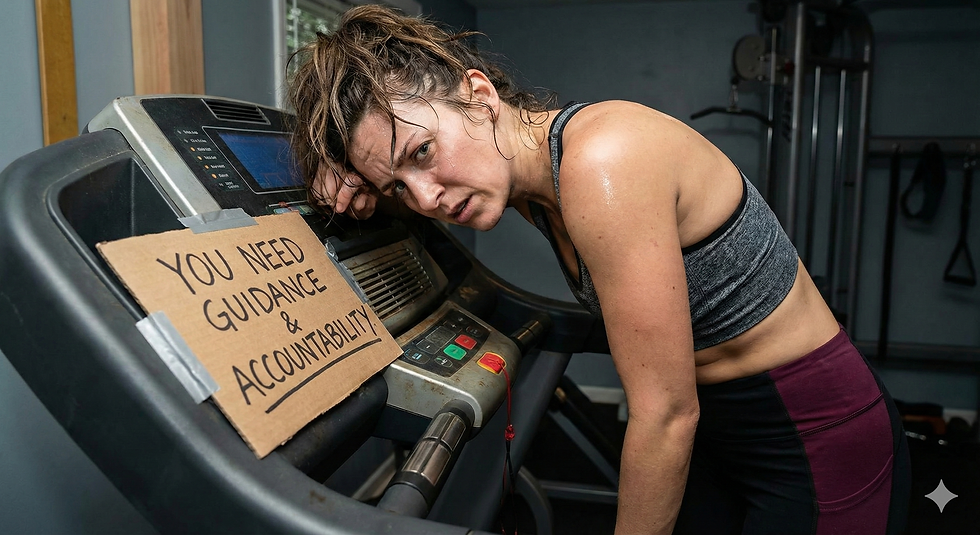
Every January, the phrase "New Year, New You" appears everywhere. It promises a fresh start, a transformation, and a better version of yourself. The idea feels inspiring and full of hope. Yet, by the time February arrives, 92% of people who set New Year's resolutions have already quit. This high dropout rate is not about weakness or lack of willpower. It’s about missing the right guidance and structure to make lasting change.
Why Most People Quit So Quickly
The problem starts with the mindset that you can do it all alone. The media sells the dream of a fit body, more energy, and a healthier lifestyle but never provides a clear roadmap. People jump into restrictive diets and basic workouts fueled by excitement. After a few weeks, progress stalls, and motivation fades.
Common excuses then take over:
"It’s just my genetics."
"I was born this way."
"I don’t have the metabolism for this."
These are not truths. They are signs of frustration caused by trying to navigate a complex process without proper support.
The DIY Trap and Its Consequences

Many people believe they can figure out fitness and nutrition on their own. They buy the cheapest gym membership, follow random online advice, or try fad diets. This approach often leads to:
Confusion about what works
Inconsistent habits
Lack of measurable progress
Growing self-doubt
Without a clear plan, the effort feels like guesswork. When you guess with your health, you usually lose.
What You Really Need to Succeed

Success in any transformation comes down to three key elements:
Structure
A plan tailored to your lifestyle, preferences, and goals. Generic templates rarely work because they don’t fit your unique situation. A good plan includes:
Balanced nutrition that fits your tastes and schedule
Exercise routines suited to your fitness level and interests
Realistic milestones to track progress
Accountability
Having someone to check in with keeps you committed. It could be a coach, a workout partner, or a support group. Accountability helps you push through days when motivation is low.
Guidance
Expert advice prevents common mistakes and keeps you on track. A coach or mentor can adjust your plan as you progress, answer questions, and provide encouragement.
Real-Life Example
Consider Sarah, who tried to lose weight on her own last year. She started with a strict diet and random workouts but gave up by mid-February. This year, she worked with a coach who created a plan based on her busy schedule and food preferences. Sarah also joined a small group for weekly check-ins. By April, she had lost 10 pounds and felt more energetic. The difference was clear: structure, accountability, and guidance made her success possible.
Moving Beyond Hype to Real Change
Forget quick fixes and hype challenges that promise fast results but leave you hungry and frustrated. Real change takes time and a smart approach. When you have a clear plan, someone to support you, and expert guidance, you build habits that last.
If you want to break the cycle of quitting by February, start by:
Setting realistic goals
Finding a plan that fits your life
Seeking support from a coach or community
This approach turns hope into action and makes "New Year, New You" more than just a slogan.

Download my Ebook : Decoding Calories



Comments